
Termite inspections in Lake Macquarie
We are based in Macquarie Hills, in the north of Lake Macquarie. Our termite inspections look at how your home sits in its setting: the lake edge, the bush behind it, the subfloor or the slab.
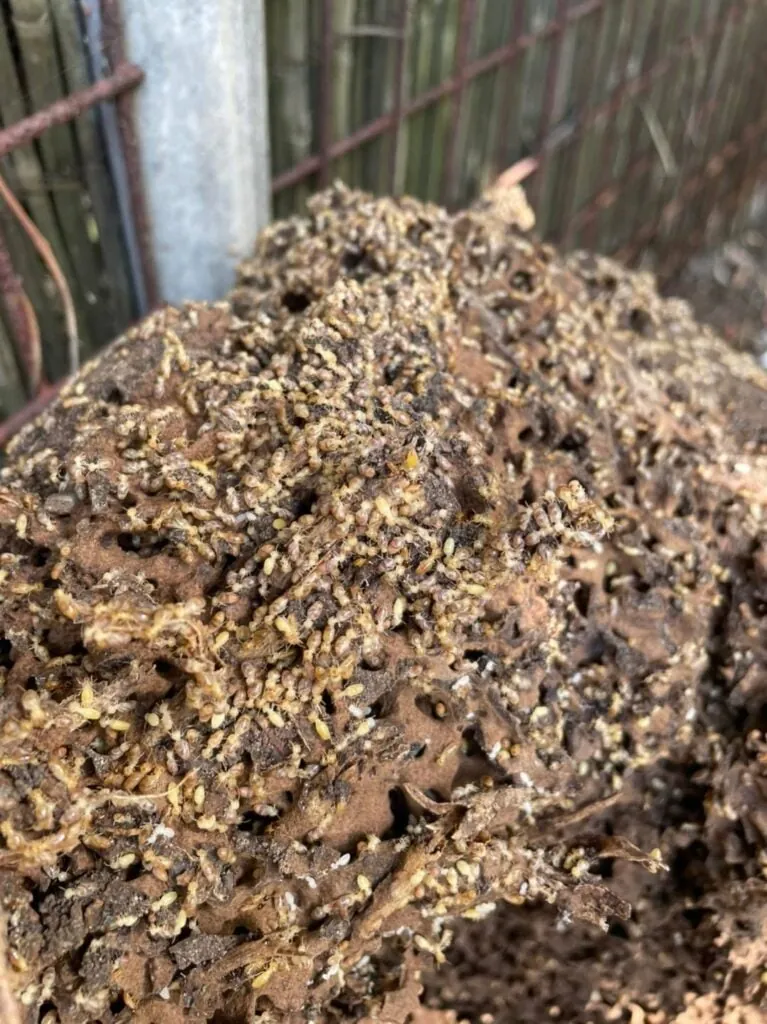
Your setting
Where does your home sit?
Around Lake Macquarie the question is less which suburb you are in, more what is around the house. Pick the setting closest to yours.
Near the lake, a creek or low ground
Subterranean termites draw their water from the soil, and they become a problem in buildings where they find a constant supply of it. On blocks near the water or on low ground we look hardest at drainage and damp.
What we check here
- Soil moisture against the house, and where stormwater and downpipes discharge
- Leaking taps, hot water and air conditioner overflows
- Garden watering and pot plants on paving beside the walls
- Timber decks, boatsheds and retaining walls near the water
Backing onto bush or big trees
Termite nests are often in trees, stumps, logs and roots, and the most destructive species can reach timber up to 50 metres from its nest through underground tunnels. A house backing onto bush has more of those nest sites close by.
What we check here
- Trees and stumps near the house, and fallen timber on the ground
- Timber fences, sleepers and retaining walls running back toward the bush
- Sheds, cubby houses and stored timber
- Mud leads on anything that links the yard to the house
An older home with a subfloor
Older homes built on piers, like many weatherboard and fibro houses, have a crawl space under the floor. Termites coming up from the soil often show in the subfloor first, which is why we go under the house.
What we check here
- Mud leads up piers and stumps, and the state of the ant caps
- Bearers, joists and flooring for workings and damage
- How damp the subfloor is and how well it is ventilated
- Additions and enclosed verandahs where the original barrier stops
A newer home on a concrete slab
New homes in termite-risk areas are built with a termite management system under the National Construction Code. It is designed to deter termites from getting in unseen, not to stop termites on the block, and it only works while the slab edge and weep holes stay exposed for inspection.
What we check here
- Garden beds, mulch, paving or soil built up over the slab edge or weep holes
- Plumbing and service penetrations through the slab
- Landscaping, decks and pergolas added after the build
- The durable notice (often in the meter box) recording the system and when it was installed
Sources: Australian Museum, Termites; Australian Museum, Termites as pests; CSIRO, Managing termites (2021); National Construction Code 2022, Housing Provisions Part 3.4 Termite risk management; National Construction Code 2019, Part 3.1.4 explanatory information.
Lake Macquarie homes
Mostly freestanding houses, which is where termite inspections earn their keep
At the 2021 Census, 85 per cent of occupied homes in Lake Macquarie were separate houses. In Newcastle the figure was 69 per cent, and across NSW about 66 per cent.
A freestanding house has four outside walls at ground level, a yard, garden beds, fences and often a shed: more edges where soil, water and timber meet the building, and more ground for an inspection to cover. That is why we inspect the grounds as well as the house.
Sources: ABS 2021 Census QuickStats, Lake Macquarie; ABS 2021 Census QuickStats, Newcastle.
Every Lake Macquarie inspection covers
- Inside the home: skirting, door and window frames, wet areas
- The roof void, where safe access allows
- The subfloor, where the house has one
- Outside walls, the slab edge and weep holes
- The grounds: trees, stumps, fences, sheds and retaining walls
With termite radar, a thermal camera and a moisture meter where something looks suspicious, and an easy to read written report. The full walk-through is on our termite inspections page.
Around the lake
Lake Macquarie suburbs we cover
From Macquarie Hills we cover the suburbs below and their neighbours. Each links to what we see there.
- Macquarie Hills
- Cardiff
- Glendale
- Edgeworth
- Cameron Park
- West Wallsend
- Holmesville
- Speers Point
- Boolaroo
- Warners Bay
- Eleebana
- Valentine
- Belmont
- Charlestown
- Mount Hutton
- Garden Suburb
Suburb not listed? Call the office on (02) 4954 6415 and ask.
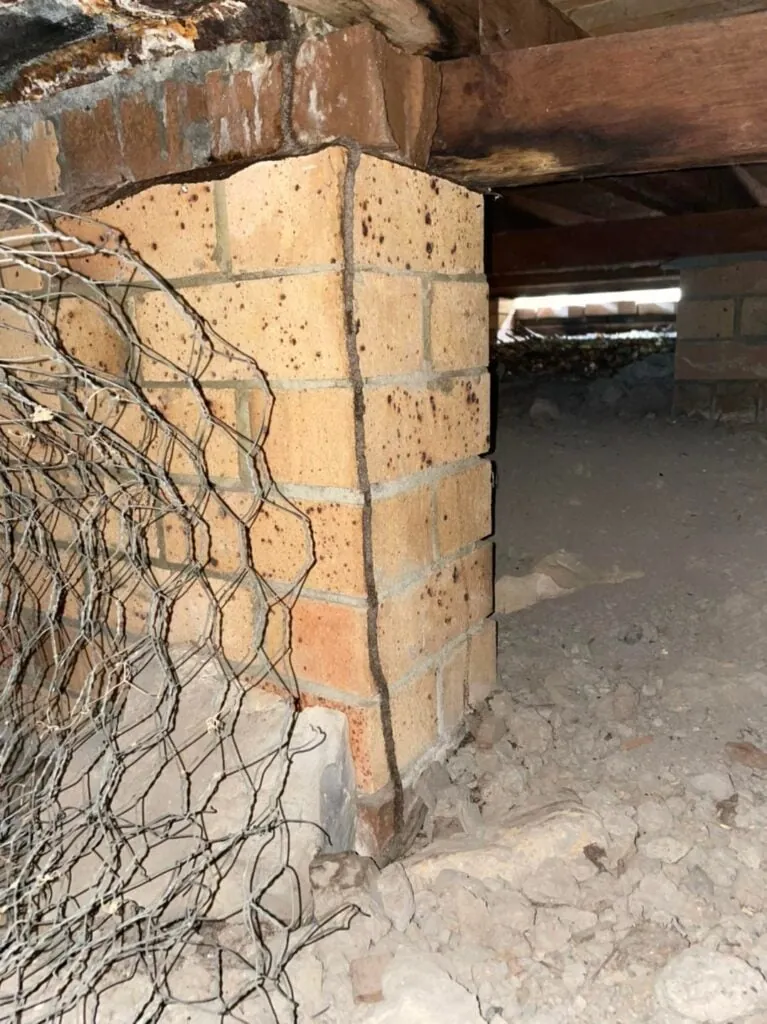
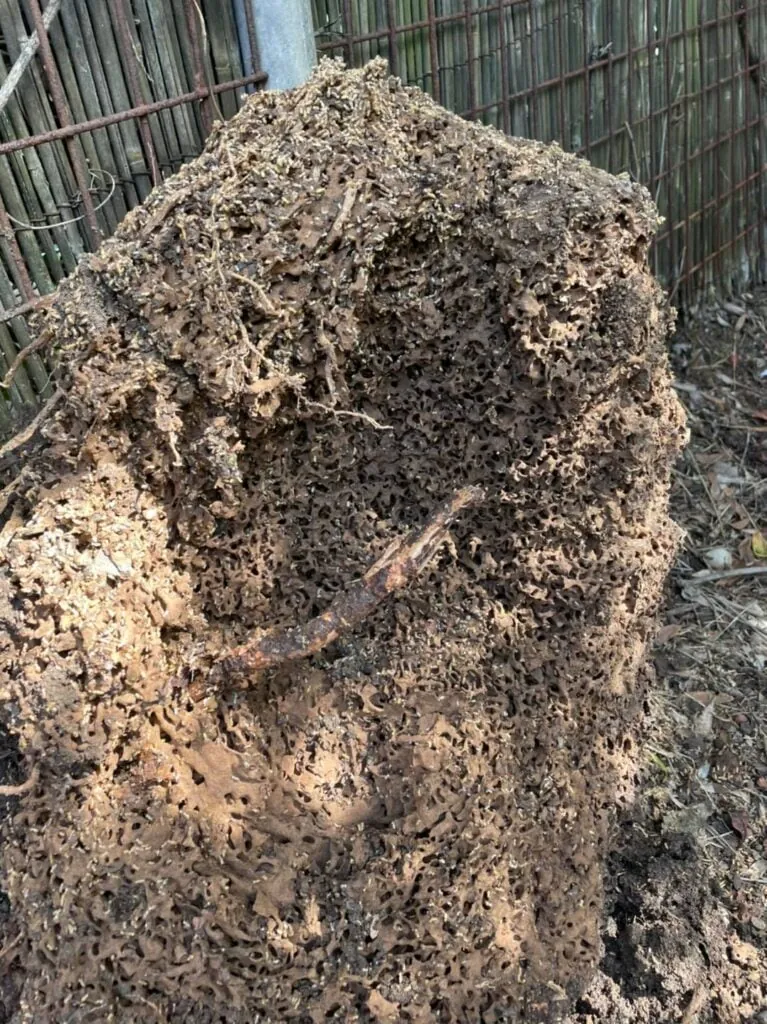
Signs of termites
Seen something around the house?
No signs is good news, not a clean bill
Termites work inside timber and out of sight, and most attacks come from the soil. That is why a yearly inspection is our standing advice, signs or not.
Leave them alone and call us
Do not spray, break open or disturb the area. Disturbed termites can pull back and turn up somewhere harder to find, which makes treatment harder. Take a photo if you can, then book an inspection.
A guide, not a diagnosis: only an inspection can confirm termites.
Sources: CSIRO, Managing termites (2021); Australian Museum, Termites.
Lake Macquarie termite questions
My house is brick. Does it still need a termite inspection?
Yes. Brick veneer homes have timber frames, roof timbers and joinery inside the brick, and termites reach them from the soil through gaps and covered weep holes. We recommend annual inspections for brick homes too.
We back onto bush, or the ground stays damp. Should we inspect more often?
Our standing advice is every 12 months, and more often where the risk is higher. Bushland close by, damp soil, poor drainage, low-lying ground, leaks around the house and a history of termites nearby all count. Ask us about a six-monthly visit.
Our home is new. Isn't it protected already?
New homes have a termite management system, but it is designed to deter termites from getting in unseen, not to keep them off the block. Garden beds and paving built over the slab edge after handover are one way it gets bridged. Regular inspections are still needed.
What if you find termites?
We confirm the activity and extent, look for the nest where we can, and recommend treatment and a management plan. The options are on our termite treatment and management page.
More answers in the termite FAQ.
Sources: CSIRO, Managing termites (2021); Queensland Building and Construction Commission, Termite management systems (2024); National Construction Code 2019, Part 3.1.4 explanatory information.
Book a termite inspection in Lake Macquarie
Call the office on (02) 4954 6415 or book online, and tell us about the setting.
EPA pest management licence 509500