
Termite inspections in Newcastle
A whole-property termite inspection: inside, roof void, subfloor, outside walls and grounds. You get an easy to read written report on any termite activity and visible damage we find, the areas we could not reach, and what to do next.
What we inspect
Every part of the property termites use
Our termite inspection covers the whole property, not just the rooms you live in. Tap a part of the house to see what we look at there.
Tap a number or an area. Not to scale: the dashed lines are termite tunnels running through the soil from a nest in a stump to the house.
Roof timbers are checked from the manhole and across the roof space wherever it is safe to reach.
- Termite workings and damage in rafters, battens and ceiling joists
- Roof or plumbing leaks that keep timber damp
Room by room, at the timber termites reach first: skirting boards, door frames, architraves, window frames and timber floors.
- Tapping and probing suspect timber for a hollow sound
- Blistered paint, sticking doors and windows, mud in joints
- Wet areas: kitchens, bathrooms and laundries
Where something looks suspicious: termite radar through the wall, thermal camera, moisture meter.
Where the house sits on piers, we go under it. This is where termites coming up from the soil often show first.
- Mud leads up piers, stumps and foundation walls
- Bearers, joists and flooring for workings and damage
- Ant caps, dampness and how well the space is ventilated
The outside of the building, looking for the ways termites get in without being seen.
- The slab edge and weep holes: are they covered by soil, mulch or paving?
- Garden beds built up against the walls
- Leaking taps, and hot water or air conditioner overflows
Termite nests are often away from the house: in stumps, trees and buried timber.
- Trees, stumps, fence posts, sleepers and retaining walls
- Sheds, pergolas and decks
- Timber stacked against the house or lying on soil
Signs of termites
What have you noticed?
These are the signs people most often spot before they call us. Tick what you have seen.
No signs is good news, not a clean bill
Termites work inside timber and out of sight, and most attacks come from the soil. That is why a yearly inspection is our standing advice, signs or not.
Leave them alone and call us
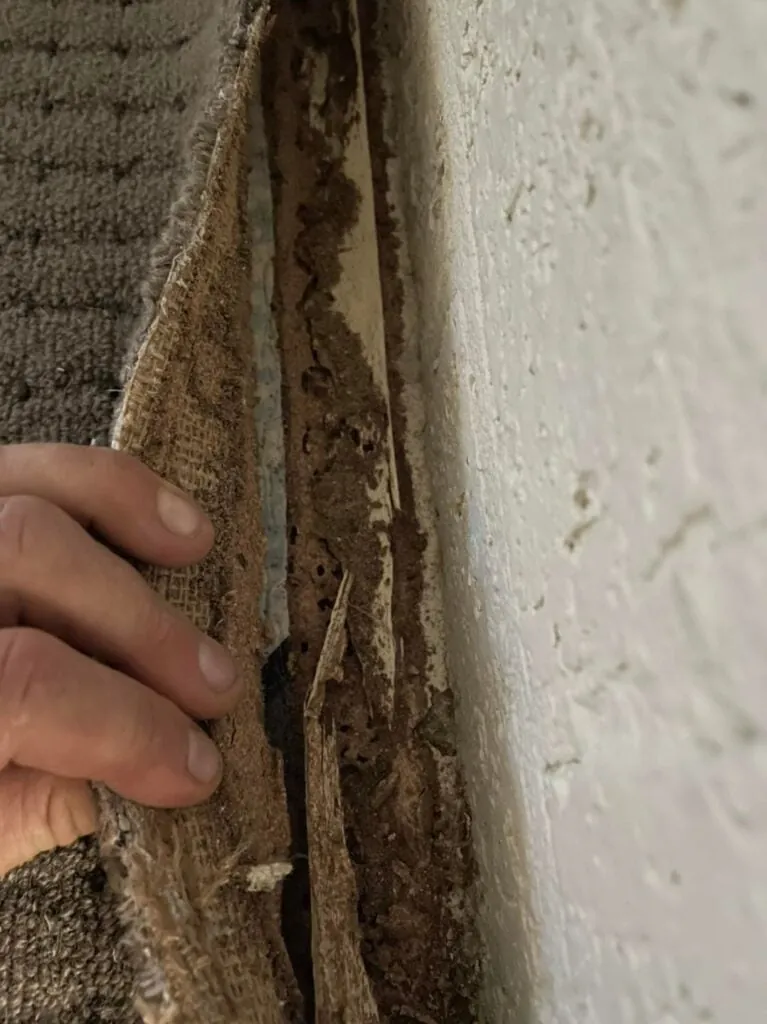
Do not spray, break open or disturb the area. Disturbed termites can pull back and turn up somewhere harder to find, which makes treatment harder. Take a photo if you can, then book an inspection.
A guide, not a diagnosis: only an inspection can confirm termites.
Sources: CSIRO, Managing termites (2021); Australian Museum, Termites.
How we inspect
A careful look, then the right tool
A termite inspection is a close visual inspection of every area we can safely reach, tapping and probing timber as we go. Pre-purchase timber pest inspections follow the scope in AS 4349.3. For a home you already own, regular inspection is part of managing termites under AS 3660.2, the Australian Standard for termite management in and around existing buildings.
When something looks suspicious, we use the equipment that sees what eyes cannot:
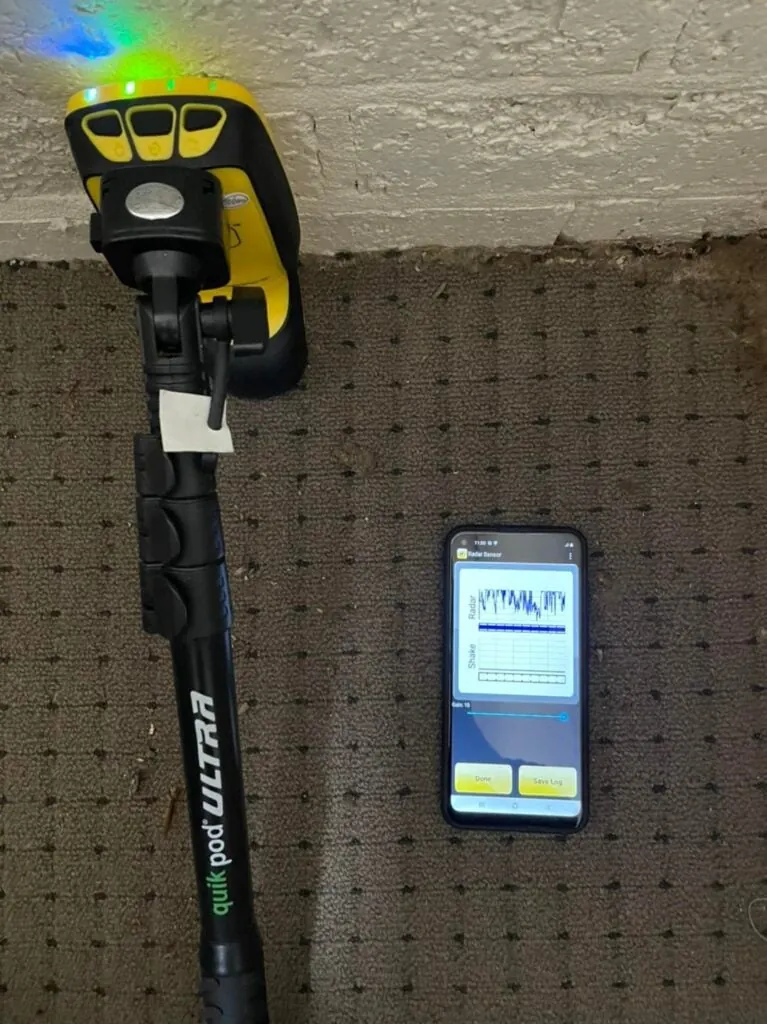
- Termatrac T3i termite radar picks up termite movement inside walls and under floor coverings, without cutting into anything.
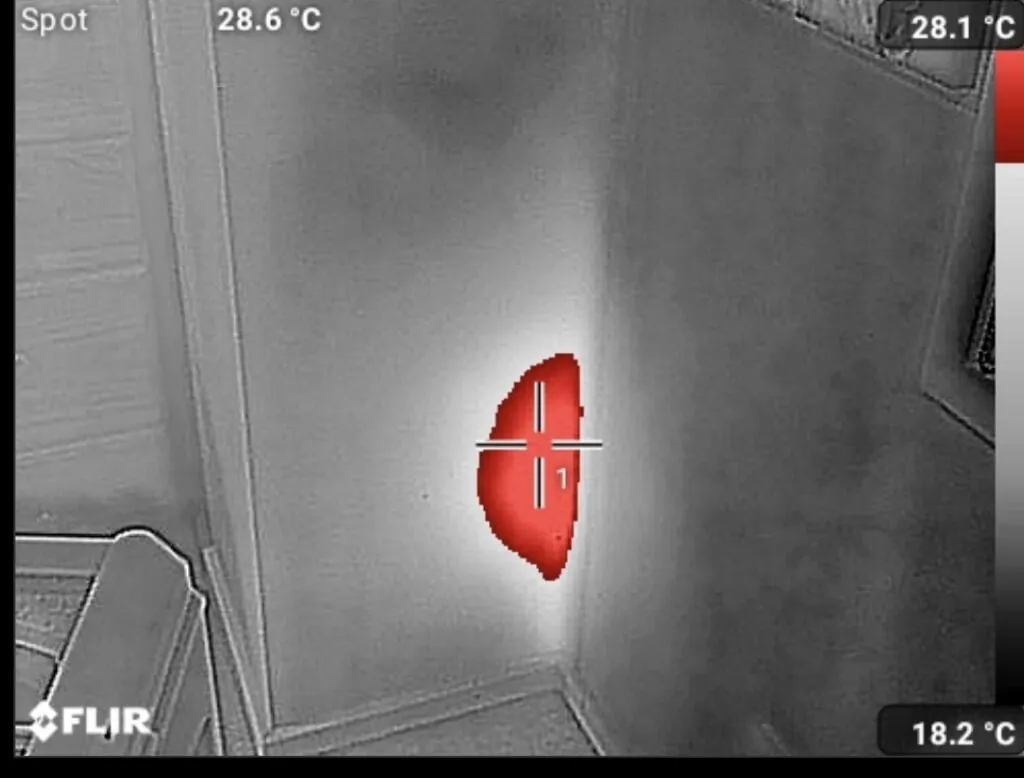
- Thermal imaging camera shows temperature differences behind wall linings. It is how we found termites inside a wall on the job pictured at the top of this page.
- Moisture meter finds damp timber and wall linings, which termites need and are drawn to.
What we cannot reach, we say so. Areas behind stored goods, fixed floor coverings, or with no safe roof or subfloor access cannot be inspected, and your report lists them so you know where the limits were.
Sources: Australian Government ABLIS, AS 4349.3 Timber pest inspections; AEPMA, notes on AS 3660.2-2017.
Conducive conditions
What draws termites to a house
Subterranean termites cause most of the structural damage in Australia, and most attacks start from the soil. The most destructive species, Coptotermes acinaciformis, nests in stumps, trees and under buildings, and can reach timber up to 50 metres from its nest through underground tunnels.
They need moisture and a hidden way in. Your report lists any of these we find, so you can fix them:
- Garden beds, soil or mulch built up against the walls, over the slab edge or across weep holes
- Leaking taps, pipes or roofs, and hot water or air conditioner overflows onto the ground
- Timber touching soil: fence posts, sleepers, stored timber and firewood against the house
- A damp subfloor with poor ventilation
- Paving, decks or landscaping added since the house was built that bridge its termite barrier
Sources: CSIRO, Managing termites (2021); Australian Museum, Termites as pests; Department of Health Victoria, Pest control: termites; Queensland Building and Construction Commission, Termite management systems (2024).
What happens
From booking to your report
Book online or call
Tell us about access (roof manhole, subfloor) and anything you have noticed. If you have seen termites, leave them be.
We inspect the property
Inside, roof void, subfloor, outside walls and grounds, with radar, thermal camera and moisture meter where something looks suspicious.
Your written report
Easy to read: evidence of termite activity and visible damage in the areas we could reach, the areas we could not, conditions that attract termites, and what we recommend, which may include further or invasive investigation.
If termites are found
We identify them, look for the nest where we can, and recommend treatment and a management plan to stop them coming back.
Next inspection
Every 12 months as a rule, sooner where the risk is higher.
If we find termites
Don't panic, and don't spray
Spraying or breaking open termite workings can drive them away for a while, only for them to come back somewhere else. Leave them for us.
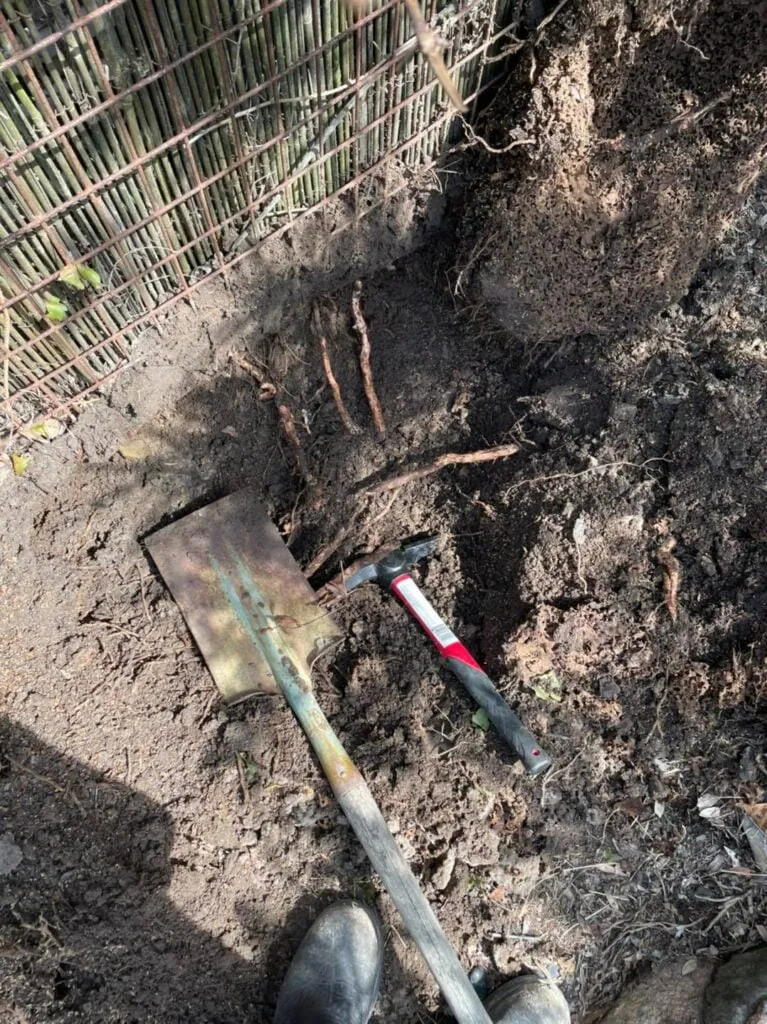
We confirm how far the activity goes and, where we can, find the nest. On one job the termites in a house were coming from a nest in the neighbour's yard: with the neighbours' permission we dug it up, flooded it with termiticide and booked a re-inspection of the house and nest two weeks later, to check the termites were no longer in the house.
From there, treatment is chosen for the house and the situation: termite baiting and monitoring, a chemical treated zone around the building, or treating the nest. Compare the treatment options.
Sources: CSIRO, Managing termites (2021).
How often
How often should you inspect?
Once a year at least, more often in higher-risk spots. A termite barrier helps, but it does not stop termite activity on the block, and renovations, garden changes, slab movement and ageing chemicals can breach it. Regular inspections are how activity gets caught early.
Answer four quick questions for our advice on your home.
Sources: CSIRO, Managing termites (2021); Queensland Building and Construction Commission, Termite management systems (2024); National Construction Code 2019, Part 3.1.4 explanatory information.
Buying a home?
A building report is not a pest report
A building inspection notes visible termite damage but does not tell you whether termites are still active. NSW Government advice is to get a pest inspection as well, especially where termites are a known problem. Our pre-purchase timber pest inspection follows the scope in AS 4349.3, and we can combine it with the building inspection.
Near the lake? We have a page for termite inspections in Lake Macquarie, and a list of the Newcastle suburbs we cover.
Questions about thermal imaging, access, reports or treatment are answered in our termite FAQ.
Where we inspect
Termite inspections around Newcastle and the Hunter
Elite inspects homes across Newcastle, Lake Macquarie, Maitland and Port Stephens. Around the lake, see our page on termite inspections in Lake Macquarie. Where we work lists the areas and suburbs we cover, and if an inspection finds termites, our termite treatment page explains the options.
Reviews
Words from our customers
We had our first pest spray with Elite this week. Mitch did a fantastic job and his attention to detail was perfect. There is no smell, we have lots of dead bugs and spiders we have shows the quality of equipment that is used. This is probably by far the best one we've had done to date. Highly recommend.

Highly recommend Mitch. He fit us in within a week was very accommodating. He did a thorough job and let me know what was going on the whole process. Noticed a huge difference within a few days of getting the house sprayed. 10/10.
Recommended! Mitch was friendly & professional, & fit us in with short notice. Was happy to provide knowledge about our 'pest' & his intended treatment. Would definitely call again.
We booked at short notice which was not an issue. Mitch was extremely reliable, pleasant and informative throughout the entire service. Elite provided an excellent service at an exceptional price. 100% recommend!
Would highly recommend Elite Building and Pest services. Mitch was very professional, punctual and was extremely thorough. Won’t be using anyone else for future pest services.
I highly recommend Elite Building & Pest Services. They were friendly, professional and punctual. The best thing is the product had no smell & is family & pet friendly. Will definitely be rebooking Elite annually.
Can not recommend enough. Mitch was able to fit us in quickly and work around the craziness that is family life with flexible time. He was professional and did a great job.
Great service, came this morning & did pest inspection & sprayed inside & outside, very thorough job & let me know of a couple of plumbing issues I didn't know about, highly recommend.
Book your termite inspection
Call the office on (02) 4954 6415 or book online, and tell us what you have noticed.
EPA pest management licence 509500